What Are You Zealous For?
- Nov 8, 2025
- 4 min read
There's a striking moment in this Sunday's gospel of where Jesus enters the temple and, seeing it turned into a marketplace, drives out the merchants and money-changers. His disciples, witnessing this intensity, recall a line from Scripture: "Zeal for your house will consume me."
The word "zeal" feels almost foreign to modern ears—too intense, too all-consuming for our carefully balanced lives. Yet this ancient concept poses two questions that gets to the heart of why some marriages flourish while others slowly starve: Are we zealous for our marriage? And if so, what are we actually zealous for?
The Two Kinds of Zeal
In more than twenty years of working with couples, Dawna has observed a pattern: marriages operate with either a "we" orientation or a "me" orientation. The distinction matters profoundly.
When partners are zealous for "the house"—for the marriage itself, for the shared life they're building together—they make decisions asking: "What serves us? What strengthens our bond? What protects this relationship we're creating?"
But when partners are primarily zealous for themselves—for individual satisfaction, personal fulfillment, getting their needs met—the questions change: "What's in this for me? Am I getting enough? Is this relationship serving my goals?"
What the Research Reveals
Decades of relationship research have consistently shown that couples who exhibit a strong "communal orientation" (where individuals care for their partner’s welfare and respond to needs without expecting anything in return) is associated with higher relationship satisfaction and emotional closeness, and greater stability. Partners who view their relationship as a shared entity, something larger than either individual, often experience more personal well-being, not less.
Psychologist John Gottman's research on successful marriages reveals that thriving couples maintain a ratio of approximately five positive interactions for every negative one. But here's what's crucial: partners in strong marriages don't create those positive moments by accident or only when it's convenient. They do it intentionally. They're zealous about building the emotional bank account of their relationship.
The Corrosive Nature of Self-Focus
In contrast, marriages characterized by high levels of self-focus tend to accumulate what researchers call "negative sentiment override"—a state where partners begin to interpret even neutral actions through a negative lens. When we're primarily zealous for ourselves, our partner's behavior becomes something to evaluate: Are they meeting my needs? Am I getting my fair share?
This accounting mentality is corrosive. Social exchange theory in psychology suggests that while we do need perceived equity in relationships, constantly calculating who's giving what creates exhaustion and resentment. The marriage becomes a marketplace--and our job is to zealously clear it of its moneychanger mentality.
Dawna has sat with couples locked in this pattern. She's keeping score of who did which household tasks. He's tracking whether he's getting sufficient appreciation. Both feel simultaneously entitled and cheated. Neither is asking the more fundamental question:
What does our marriage need from us right now?
The Paradox of Getting by Giving to the House
Here's what surprises many couples: when you shift your zeal from self to "house," you often get more of what you individually wanted anyway.
Research on what's called the "Michelangelo phenomenon" shows that we become our best selves when our partners actively support us as we strive to become the best versions of ourselves. But this support flourishes most naturally when both partners are oriented toward the relationship's wellbeing rather than scorekeeping.
When you're zealous for your marriage, you celebrate your spouse's achievements because their flourishing strengthens the whole. You support their growth because a thriving partner contributes to a thriving relationship. You offer kindness not because you'll get something back, but because kindness nourishes the emotional ecosystem you both inhabit.
The irony is profound: the partner who demands "What about MY needs?" often stays stuck in unmet needs. The partner who asks "What does our marriage need?" frequently finds their own needs met as a natural byproduct of a healthy relationship.
What Does Zeal for Your House Look Like?
Practically speaking, zeal for your marriage shows up in daily choices:
It's protecting time together even when you're both exhausted, because the relationship needs tending.
It's speaking well of your spouse to others, because how you represent your partner shapes the culture of your marriage.
It's choosing to listen generously during conflict rather than just waiting for your turn to explain why you're right, because the house needs bridge-building more than it needs winners and losers.
It's doing the unsexy maintenance work—the budget conversations, the scheduling discussions, the check-ins about how you're both doing—because houses require upkeep.
It's turning toward your partner when they are looking for connection rather than turning away to get that work project finished or finish reading that gripping mystery novel.
It's forgiving not because the offense didn't matter, but because your marriage's future matters more than being right.
The Question Before You
So here we are back to the big question: What are you zealous for?
When you make daily decisions, whose flourishing are you primarily seeking—yours individually, or the marriage's? When conflict arises, what are you protecting—your right to be right, or the relationship's need for repair? When you're tired and have nothing left to give, what motivates you to give anyway?
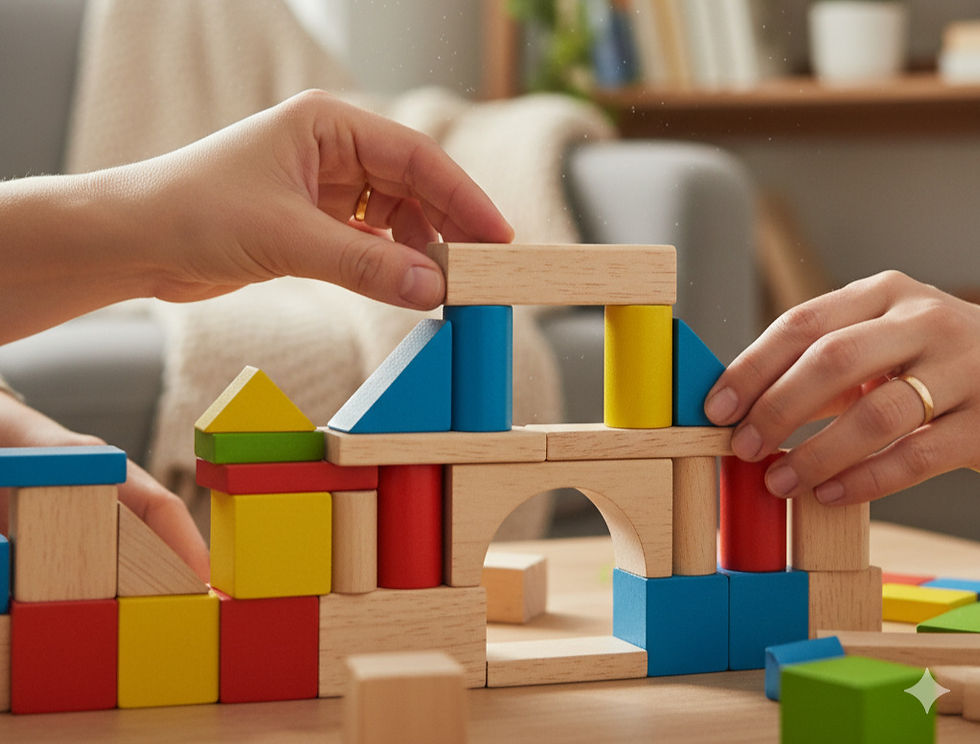
Your marriage, like the temple, is a house. The question is whether you'll let zeal for that house consume you—or whether you'll treat it like just another marketplace, where you're mostly concerned with getting your fair deal.
The marriages that last, and the marriages that become sources of deep joy, tend to belong to people who've chosen to be zealous for the house itself.


Comments